
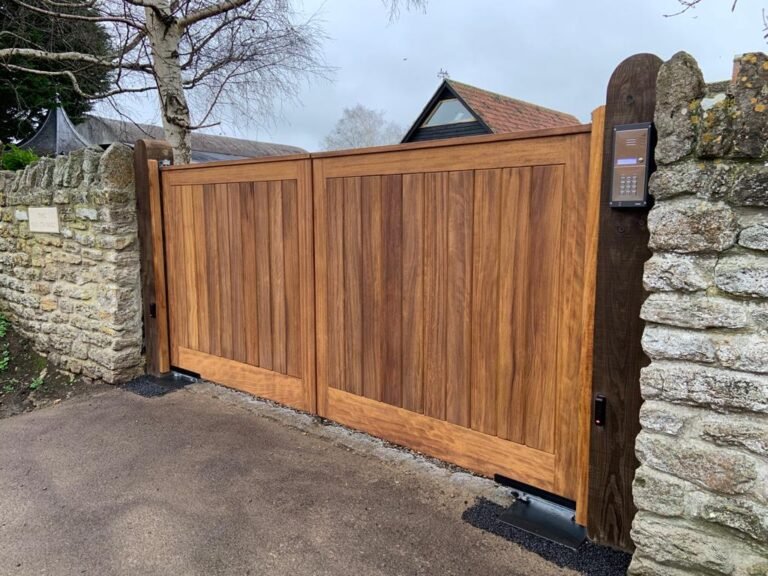
Many homeowners assume wooden gates are purely decorative, but modern versions are fully automated entry systems. Wooden electric gates combine timber panels with motorized opening mechanisms, offering both security and curb appeal. These systems have evolved significantly since the early 20th century, when electric motors first replaced manual operation.
How Wooden Electric Gates Work and What Components Drive Them
A wooden electric gate system relies on several key components working together. The gate motor, often a low-voltage or solar-powered unit, provides the force to open and close the panels. Control panels process signals from remote receivers, while safety sensors detect obstacles and trigger automatic reversal. Popular manufacturers such as BFT, FAAC, and Came produce specialized automation kits designed for timber gates.
Wooden electric gates come in two main types: swing and sliding. Swing gates pivot on hinges, similar to traditional doors, and are common on level driveways. Sliding gates move horizontally along a track, making them ideal for sloped or uneven terrain. According to some sources, sliding gates account for a growing share of installations due to their space efficiency.
The choice of wood significantly affects performance. Hardwoods like oak, cedar, and iroko are preferred for their natural durability and resistance to rot. Cedar, for instance, contains natural oils that repel insects and moisture. Iroko, sometimes called African teak, offers high density and longevity. Softwoods like pine are less common because they require more frequent sealing and painting.
Modern systems often integrate with smart home platforms. Homeowners can control their gates via smartphone apps or voice assistants like Amazon Alexa and Google Assistant. This trend gained momentum in 2024, with demand rising for sustainable, locally sourced timber to reduce environmental impact. Some manufacturers now offer kits with built-in Wi-Fi modules, eliminating the need for separate controllers.
Installation complexity varies. A typical residential swing gate setup might take a professional team one to two days. Sliding gates require more groundwork for the track and foundation. Costs generally range from $2,000 to $5,000, depending on gate size, motor type, and site conditions. Larger estates with custom timber panels can exceed $10,000.
| Component | Function | Common Type |
|---|---|---|
| Gate Motor | Provides mechanical force to open/close | Low-voltage DC or solar-powered |
| Control Panel | Processes signals from remotes and sensors | Programmable with safety logic |
| Safety Sensors | Detect obstacles and reverse motion | Photoelectric beams or pressure edges |
| Remote Receiver | Receives radio signals from key fobs | Rolling code for security |
Behind the Scenes: How Wooden Electric Gates Are Designed and Manufactured
The production of wooden electric gates involves a blend of traditional carpentry and modern engineering. Manufacturers start by selecting timber that meets structural and aesthetic standards. Hardwoods are kiln-dried to reduce moisture content, preventing warping after installation. The wood is then cut into panels, often with tongue-and-groove joints for strength.
Automation components are sourced from specialized suppliers. Companies like BFT and FAAC have developed motor systems specifically for wooden gates, accounting for the extra weight compared to metal or vinyl. These motors often feature soft-start and soft-stop technology to reduce stress on the timber. The control boards are programmed to comply with safety regulations, including automatic reversal if an obstruction is detected.
Design considerations include wind load, gate weight, and opening frequency. A typical residential gate might weigh 200 to 400 pounds, requiring a motor with sufficient torque. Sliding gates distribute weight differently, often using a rack-and-pinion drive. Manufacturers test each system for cycle life, with many rated for 50,000 to 100,000 operations.
In 2023, the global automated gate market was valued at over $1.5 billion, with wooden gates representing a significant segment. The trend toward smart homes has pushed manufacturers to integrate connectivity features. Some now offer retrofit kits that can automate existing wooden gates without replacing the panels.
Quality control involves checking the timber for knots and cracks, as well as testing the motor and sensor alignment. Many manufacturers provide warranties of 5 to 10 years on motors and 1 to 3 years on wood finishes. The choice of paint or stain also affects longevity; marine-grade varnishes are recommended for coastal areas.
Real-World Impact: How Wooden Electric Gates Affect Property Value and Daily Life
Homeowners who install wooden electric gates often report increased property value and enhanced curb appeal. Real estate agents note that automated gates are a desirable feature in suburban and rural markets, where privacy and security are priorities. The natural look of wood complements landscaping and traditional architecture, making it a popular choice for farmhouses and estates.
Daily convenience is another benefit. Remote operation means residents can open the gate without leaving their vehicle, which is especially useful in bad weather. Smart integration allows scheduling, so the gate can be set to open at specific times for deliveries or guests. Some systems include intercoms or video cameras, adding a layer of security.
However, maintenance is a recurring consideration. Wooden gates require regular sealing or painting to prevent rot, warping, and insect damage. Depending on climate, this might be needed every 1 to 3 years. Sliding gates also need track cleaning to ensure smooth operation. Despite this, many owners find the aesthetic payoff worth the effort.
Safety regulations in many countries mandate automatic reversal systems to prevent accidents. These sensors detect people, pets, or vehicles in the gate’s path and stop or reverse motion. In the United States, UL 325 standards govern gate operator safety. Compliance is critical for liability reasons, and professional installers typically ensure systems meet local codes.
Community reactions vary. In some neighborhoods, wooden electric gates are seen as a status symbol, while others view them as isolating. Homeowners associations may have restrictions on gate height or style. It is advisable to check local regulations before installation.
Common Misconceptions About Wooden Electric Gates Clarified with Facts
One widespread myth is that wooden gates are less durable than metal ones. In reality, hardwoods like oak and iroko can last decades with proper maintenance. The key is regular sealing and avoiding ground contact, which accelerates rot. Many wooden gates outlast their automation components, which may need replacement after 10 to 15 years.
Another misconception is that automation makes wooden gates unsafe. Modern safety sensors and automatic reversal systems are highly reliable. The risk of injury is low when systems are installed correctly and maintained. In fact, manual gates can be more dangerous because they may slam shut unexpectedly.
Some believe that wooden electric gates are prohibitively expensive. While initial costs can be higher than metal or vinyl, the natural insulation properties of wood can reduce energy loss if the gate is part of a property boundary. Additionally, the aesthetic value may increase resale value, offsetting the investment.
There is also a notion that smart features are unnecessary. However, integration with home automation can improve security by allowing remote monitoring and access logs. For example, a homeowner can receive alerts when the gate is opened and grant temporary access to service providers.
Finally, some think that all wooden gates require the same maintenance. In truth, the type of wood and finish greatly influence upkeep. Cedar requires less frequent treatment than pine, and factory-applied UV-resistant stains last longer than field-applied paint. Consulting with a manufacturer can help choose the right material for local conditions.
Frequently Asked Questions
Is a wooden electric gate still a good investment in 2024?
Yes, wooden electric gates remain a popular choice for homeowners seeking security and aesthetics. Advances in smart home integration and sustainable timber sourcing have made them more attractive. However, ongoing maintenance costs should be factored into the decision.
How many years does a wooden electric gate typically last?
With proper care, the wooden panels can last 20 to 30 years or more. The automation components, such as motors and control boards, typically have a lifespan of 10 to 15 years before needing replacement. Regular maintenance extends both.
What is the difference between swing and sliding wooden electric gates?
Swing gates open inward or outward on hinges, requiring clearance space. Sliding gates move horizontally along a track, making them suitable for sloped driveways or limited space. Sliding gates are often more expensive due to the track and foundation work.
What is the best wood for an electric gate in a rainy climate?
Iroko and cedar are excellent choices for wet climates due to their natural resistance to moisture and rot. Oak is also durable but may require more frequent sealing. Avoid softwoods like pine unless they are pressure-treated and well-maintained.
Who is responsible for ensuring a wooden electric gate meets safety standards?
The installer is typically responsible for compliance with local safety regulations, such as UL 325 in the U.S. Homeowners should verify that the system includes automatic reversal sensors and that the installation is performed by a qualified professional.
How to Choose the Right Automation Kit for Your Wooden Gate
Selecting the correct automation kit is crucial for reliable operation. The motor must match the gate’s weight and size. Swing gates require either an underground or articulated arm motor. Underground motors are hidden but require drainage. Articulated arms are easier to install but more visible. Sliding gates use a rack-and-pinion or chain drive. Rack-and-pinion is quieter and more precise, while chain drives are simpler and cheaper.
Power supply is another factor. Most residential systems use 230V AC or 24V DC motors. Low-voltage DC motors are safer and more energy-efficient, often paired with solar panels. Solar-powered gates are gaining popularity in remote areas without grid access. Battery backup ensures operation during power outages. Some kits include a built-in charger for lead-acid or lithium batteries.
Control features vary widely. Basic kits offer remote control and manual release. Mid-range systems add keypads, intercoms, and photocells. High-end systems include Wi-Fi connectivity, smartphone apps, and integration with home automation platforms like Apple HomeKit or Samsung SmartThings. Some manufacturers offer cloud-based access logs and temporary codes for guests.
Safety compliance is non-negotiable. Look for kits that meet UL 325 or EN 12453 standards. These require obstruction detection, automatic reversal, and emergency release. Photoelectric sensors are standard, but pressure-sensitive edges provide additional safety for sliding gates. Always verify that the kit includes all necessary safety components.
Installation difficulty should also be considered. Some kits are designed for DIY installation, with pre-wired components and detailed manuals. Others require professional setup, especially for sliding gates with concrete foundations. Hiring a certified installer ensures proper alignment and safety testing. Many manufacturers void warranties if installation is not performed by an approved technician.
Maintenance Tips to Extend the Life of Wooden Electric Gates
Regular maintenance prevents costly repairs. Wooden panels should be inspected annually for cracks, rot, or insect damage. Apply a high-quality wood preservative or stain every 1 to 3 years, depending on climate. In coastal areas, use marine-grade varnish to protect against salt spray. Avoid pressure washing, which can force water into joints.
The automation system requires periodic checks. Lubricate hinges, tracks, and moving parts with a silicone-based spray every six months. Test safety sensors monthly by placing an object in the gate’s path. Clean photocell lenses with a soft cloth to prevent false triggers. Check battery voltage if the system has backup power, and replace batteries every 2 to 3 years.
Electrical connections should be inspected for corrosion, especially in outdoor junction boxes. Tighten loose wires and replace damaged cables. The control panel’s software may need updates; some manufacturers release firmware patches for security or performance improvements. Consult the user manual for specific procedures.
Seasonal adjustments are sometimes necessary. In winter, snow and ice can block sliding gate tracks. Clear debris promptly to avoid motor strain. In summer, heat can cause wood expansion, affecting gate alignment. Adjust hinges or track stops as needed. Professional servicing every 2 to 3 years can identify issues early.
Finally, keep a maintenance log. Record dates of treatments, repairs, and component replacements. This helps track warranty claims and resale value. Many manufacturers offer extended service plans that include annual inspections. Investing in maintenance preserves both function and appearance for decades.
Comparing Wooden Electric Gates with Alternative Materials
When choosing an automated gate, homeowners often compare wood with metal, vinyl, and composite materials. Wooden electric gates offer a natural aesthetic that many find unmatched. They can be custom-carved or stained to match existing architecture. Metal gates, typically steel or aluminum, are stronger and require less maintenance but can rust or dent. Aluminum is lightweight and corrosion-resistant, making it a popular alternative in coastal areas.
Vinyl gates are low-maintenance and resistant to rot, but they lack the structural rigidity of wood. They can become brittle in extreme cold. Composite materials, made from wood fibers and plastic, mimic the look of wood without the upkeep. However, composites may fade over time and are harder to repair if damaged. Wood remains the preferred choice for traditional and rustic properties.
Cost is another differentiator. Wooden gates are generally more expensive than vinyl but comparable to high-end metal gates. The automation components are similar across materials, so the price difference lies in the panels. Hardwood gates command a premium due to material and labor costs. Over a 20-year period, wood may require more maintenance spending, but many owners consider the aesthetic return worthwhile.
Environmental impact also matters. Sustainably sourced timber from certified forests has a lower carbon footprint than metal production. Wood is renewable and biodegradable. Some manufacturers use reclaimed wood for gates, reducing waste. Metal recycling is possible but energy-intensive. For eco-conscious buyers, wooden electric gates from responsible suppliers align with green building goals.
Future Trends in Wooden Electric Gate Technology
The gate automation industry continues to evolve. One emerging trend is the use of artificial intelligence for predictive maintenance. Sensors can monitor motor vibration, temperature, and cycle count, alerting homeowners before a failure occurs. Some systems already offer diagnostic reports via smartphone apps. This reduces downtime and extends component life.
Another development is the integration of facial recognition and license plate recognition. These systems can grant access to authorized vehicles without remote control. They are particularly useful for gated communities or commercial properties. Privacy concerns remain, but manufacturers are implementing on-device processing to avoid cloud storage of images.
Solar-powered gates are becoming more efficient. Advances in photovoltaic panels and battery storage allow gates to operate off-grid even in cloudy climates. Some kits include solar panels that mount directly on the gate or nearby post. This reduces wiring costs and energy bills. In 2024, several European manufacturers launched solar-ready automation kits specifically for wooden gates.
Finally, modular design is gaining traction. Some companies now offer gates with interchangeable panels, allowing homeowners to change the wood type or finish without replacing the entire structure. This reduces waste and allows style updates over time. As sustainability becomes a priority, modular wooden electric gates may become a standard offering.