
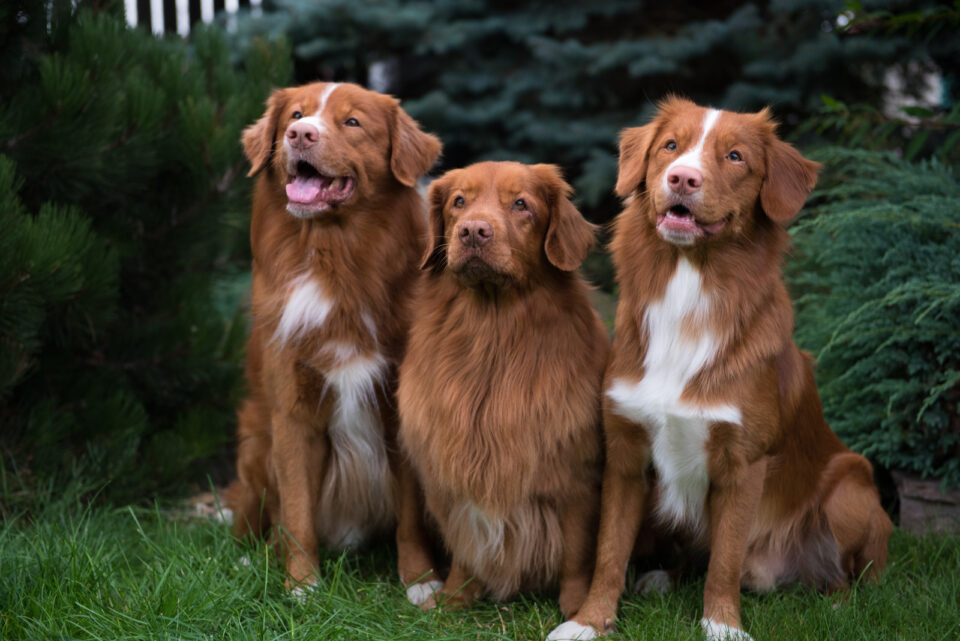
Are you looking for a Nova Scotia Duck Tolling Retriever puppy but unsure how to find a responsible breeder? The key is to seek out breeders who prioritize health, temperament, and the breed’s unique tolling instinct over profit. This article explains what distinguishes ethical duck tolling retriever breeders from less scrupulous ones, covering health testing, pricing, and the breed’s growing popularity in dog sports.
Why the Nova Scotia Duck Tolling Retriever Is Gaining Popularity Across North America
The Nova Scotia Duck Tolling Retriever, often called the Toller, is the smallest of the retriever breeds, weighing between 35 and 50 pounds. Originating in Yarmouth County, Nova Scotia, in the early 19th century, the breed was developed to lure waterfowl within gun range using a playful “tolling” behavior along the shoreline. This unique hunting method, combined with the dog’s striking red coat and high intelligence, has attracted a devoted following among hunters and active families alike. Public records covering this story are gathered in Nova Scotia Duck Tolling Retriever
In recent years, the breed’s popularity has surged, particularly in the United States and Canada. The American Kennel Club officially recognized the Toller in 2003, and since then, its presence in agility, obedience, and dock diving competitions has grown significantly. According to some sources, the breed’s versatility and eagerness to please make it a top choice for competitive dog sports. This increased demand has led to a rise in the number of breeders, but not all maintain high standards.
Ethical duck tolling retriever breeders are concentrated in regions with strong hunting traditions, such as the Maritime provinces of Canada and the northeastern United States. However, reputable breeders can be found across the continent, often connected through the Nova Scotia Duck Tolling Retriever Club (USA) or similar organizations in Canada. These clubs provide resources for finding breeders who adhere to the breed standard and prioritize health testing. Public records covering this story are gathered in Find a Breeder – NSDTRC-USA
The breed’s reception among dog owners has been overwhelmingly positive, but its high energy and intelligence require experienced handling. Tollers are known for their independence and can be reserved with strangers, making early socialization crucial. Breeders who emphasize temperament testing and early exposure to various environments are more likely to produce well-adjusted puppies. As the breed gains visibility, the role of responsible breeders in preserving its working abilities and sound temperament becomes even more critical.
Inside the World of Toller Breeders: Health Testing, Training, and the Tolling Instinct
Reputable duck tolling retriever breeders invest significant time and resources into health testing. The breed is prone to certain genetic conditions, including hip dysplasia, progressive retinal atrophy (PRA), and collie eye anomaly. Ethical breeders screen their breeding stock for these issues and provide documentation to puppy buyers. The Orthopedic Foundation for Animals (OFA) and the Canine Eye Registry Foundation (CERF) are common certifying bodies. A responsible breeder will openly share test results and explain how they select pairings to minimize health risks.
Beyond health, breeders focus on preserving the Toller’s innate tolling behavior. This instinct is not something that can be taught; it must be present in the dog’s genetic makeup. Breeders often evaluate puppies for early signs of tolling, such as a strong prey drive and a playful, bouncy gait. Some breeders even maintain working lines that are actively used for waterfowl hunting, ensuring the breed’s original purpose is not lost. For families seeking a companion rather than a hunting partner, breeders can recommend puppies with a more moderate drive.
Early socialization is another hallmark of ethical breeders. Tollers are intelligent and can become destructive if bored or understimulated. Breeders who raise puppies in a home environment, expose them to various sounds and surfaces, and begin basic crate training before adoption set the stage for a smooth transition. Many reputable breeders also offer a health guarantee, typically covering genetic defects for the first two years, and require that puppies be returned to them if the owner can no longer care for the dog.
The price of a Toller puppy from a reputable breeder generally ranges from $2,000 to $3,500 USD. This fee reflects the cost of health testing, proper veterinary care, and the breeder’s expertise. Puppies from champion bloodlines or those with exceptional working potential may command higher prices. However, a high price alone does not guarantee quality; buyers should always verify the breeder’s credentials and visit the facility if possible.
| Health Test | Purpose | Typical Age for Testing |
|---|---|---|
| Hip Dysplasia Evaluation | Assesses hip joint conformation | 24 months |
| Progressive Retinal Atrophy (PRA) DNA Test | Detects genetic mutation causing blindness | Any age (DNA) |
| Collie Eye Anomaly (CEA) Exam | Checks for eye malformations | 6-8 weeks |
| Cardiac Evaluation | Screens for heart defects | 12 months |
What Is Confirmed and What Remains Unverified About Toller Breeders
These official recognitions established breed standards that responsible breeders follow.
What remains less clear is the exact number of active Toller breeders worldwide. While the Nova Scotia Duck Tolling Retriever Club (USA) maintains a breeder directory, not all ethical breeders choose to list with the club. Some breeders operate on a small scale, producing only one or two litters per year, and rely on word-of-mouth referrals. This makes it difficult for prospective owners to verify a breeder’s reputation without direct contact.
Another area of uncertainty involves the prevalence of certain health issues. Some breeders claim their lines are free of genetic problems, but without mandatory reporting, these claims are hard to verify. Buyers should ask for independent health test results rather than relying solely on breeder assurances.
There are also unverified claims about the breed’s temperament. Some sources describe Tollers as “easy to train,” while others emphasize their stubborn streak. The truth likely lies somewhere in between, with individual variation depending on breeding and socialization. Ethical breeders are transparent about the challenges of the breed, including its need for mental stimulation and potential for separation anxiety. A breeder who glosses over these traits may not be providing a complete picture.
Timeline of Key Moments in the Breed’s History and Breeder Community
The Nova Scotia Duck Tolling Retriever’s history as a distinct breed began in the early 19th century in Yarmouth County, Nova Scotia. Hunters selectively bred small red dogs that could lure ducks and geese within shooting range by playing along the shoreline. This tolling behavior, combined with a strong retrieving instinct, made the dogs invaluable for waterfowl hunting.
In 1945, the Canadian Kennel Club officially recognized the breed, solidifying its status as a purebred. This recognition prompted the formation of breed clubs and the establishment of a written standard.
The American Kennel Club recognized the breed in 2003, opening the door to wider participation in AKC events. This milestone led to a surge in interest from American dog owners. The Nova Scotia Duck Tolling Retriever Club (USA) was formed to promote responsible breeding and provide education to owners and breeders alike.
In the 2010s and 2020s, the breed’s popularity in agility and obedience sports grew rapidly. Tollers began appearing in the finals of major competitions, showcasing their speed and trainability. This visibility increased demand for puppies, putting pressure on breeders to produce more dogs. Ethical breeders responded by emphasizing health testing and careful placement, while some less scrupulous individuals entered the market, leading to concerns about puppy mills and backyard breeding.
Today, the Toller community continues to evolve. Online forums and social media groups connect breeders and owners, facilitating the exchange of information. However, the challenge remains for buyers to distinguish between ethical duck tolling retriever breeders and those who prioritize profit over the breed’s welfare. The breed’s future depends on the commitment of dedicated breeders to preserve its unique qualities.
Frequently Asked Questions
What is the Nova Scotia Duck Tolling Retriever best known for?
The breed is best known for its unique tolling behavior, where it lures waterfowl within gun range by playing along the shoreline. This instinct, combined with a high energy level and intelligence, makes it a versatile hunting companion and a competitive dog sport participant.
When did the American Kennel Club recognize the Nova Scotia Duck Tolling Retriever?
The American Kennel Club officially recognized the breed in 2003. This recognition allowed Tollers to compete in AKC events and increased the breed’s visibility among American dog owners, leading to a rise in responsible breeding and ownership.
How many health tests should a reputable Toller breeder perform?
A reputable breeder typically performs at least four health tests: hip dysplasia evaluation, PRA DNA test, collie eye anomaly exam, and cardiac evaluation. These tests help ensure that breeding stock is free from common genetic conditions and that puppies have a lower risk of inherited diseases.
Who are the parents of a typical Toller puppy from an ethical breeder?
Ethical breeders carefully select parent dogs based on health test results, temperament, and conformation to the breed standard. The breeder can provide detailed pedigrees and health clearances for both sire and dam.
How does a Nova Scotia Duck Tolling Retriever differ from a Golden Retriever?
The Toller is smaller, weighing 35-50 pounds compared to a Golden Retriever’s 55-75 pounds. Tollers have a distinctive red coat and a more independent, reserved temperament. They are also higher energy and require more mental stimulation. While both are retrievers, the Toller’s tolling instinct is unique to the breed.
How to Evaluate a Toller Breeder’s Facility and Practices
Visiting a breeder’s facility in person is one of the most reliable ways to assess their practices. Ethical duck tolling retriever breeders typically welcome visits and encourage potential buyers to meet the puppies and their parents. During a visit, observe the cleanliness of the environment, the dogs’ overall health, and their behavior. Puppies should appear active, curious, and well-socialized, not fearful or lethargic. The parent dogs should be calm and friendly, indicating good temperament.
Pay attention to how the breeder interacts with their dogs. A responsible breeder will know each dog’s personality and be able to discuss their strengths and weaknesses. They should also ask you questions about your lifestyle, experience with dogs, and plans for the puppy. This two-way conversation is a sign that the breeder cares about placing puppies in suitable homes. If a breeder seems eager to sell without vetting you, consider it a red flag.
Ask to see the health testing documentation for both parents. Reputable breeders will have certificates from OFA, CERF, or other recognized organizations. They should also provide a written contract that includes a health guarantee and a clause requiring you to return the dog to them if you cannot keep it. This commitment to lifelong care is a hallmark of ethical breeding.
Another important factor is the breeder’s involvement in the Toller community. Many ethical breeders are members of breed clubs, participate in dog shows or field trials, and continue to learn about advances in canine health and genetics. They often mentor new owners and stay in touch after the puppy goes home. A breeder who disappears after the sale may not be fully invested in the breed’s future.
Finally, trust your instincts. If something feels off during your interactions, it is wise to walk away. There are many dedicated duck tolling retriever breeders who prioritize the well-being of their dogs. Taking the time to find the right one will increase your chances of a happy, healthy companion for years to come.
Common Red Flags When Searching for Toller Breeders
Not all breeders operate with the same standards. Some warning signs can help you avoid unethical sources. One major red flag is a breeder who always has puppies available or who can supply a puppy immediately. Reputable breeders often have waiting lists and plan litters carefully. They do not mass-produce puppies for quick sale.
Another warning sign is a breeder who refuses to let you visit their facility or meet the puppy’s parents. This lack of transparency may indicate poor conditions or health issues. Similarly, breeders who do not ask you any questions about your home or experience may be more interested in profit than in placing their puppies appropriately.
Be cautious of breeders who cannot provide health clearances or who claim their dogs are “vet checked” without specific test results. General veterinary exams do not replace breed-specific genetic testing. Also, avoid breeders who sell puppies through pet stores or online marketplaces without a physical location. These channels often source from puppy mills.
Pricing can also be a clue. While ethical breeders charge a fair price for their investment, extremely low prices may indicate shortcuts in health care or socialization. Conversely, extremely high prices do not guarantee quality. Always verify what the price includes, such as vaccinations, microchipping, and a health guarantee.
Finally, be wary of breeders who pressure you to make a quick decision or who offer to ship a puppy without meeting you in person. Responsible breeders want to ensure a good match and will take the time to communicate with you. If a breeder seems more focused on closing the sale than on your suitability, it is best to look elsewhere.
Understanding the Role of Breed Clubs and Rescue Organizations
Breed clubs play a vital role in connecting prospective owners with ethical duck tolling retriever breeders. The Nova Scotia Duck Tolling Retriever Club (USA) and the Canadian Toller Club maintain breeder directories, code of ethics, and educational resources. These organizations often host events where you can meet breeders and their dogs in person. Attending a club-sponsored event is an excellent way to observe multiple breeders and ask questions in a neutral setting.
Rescue organizations also serve the Toller community. The Nova Scotia Duck Tolling Retriever Rescue operates across North America, rehoming dogs whose owners can no longer care for them. Adopting an adult Toller can be a rewarding alternative to purchasing a puppy, especially for first-time owners who want a dog with a known temperament. Rescue groups often have detailed information about each dog’s personality, health, and training needs.
Breeders who are active in rescue efforts demonstrate a commitment to the breed beyond their own kennels. Some ethical breeders even take back dogs they did not originally breed, helping to reduce the number of Tollers in shelters. This level of dedication is a strong indicator of a breeder’s integrity and love for the breed.