
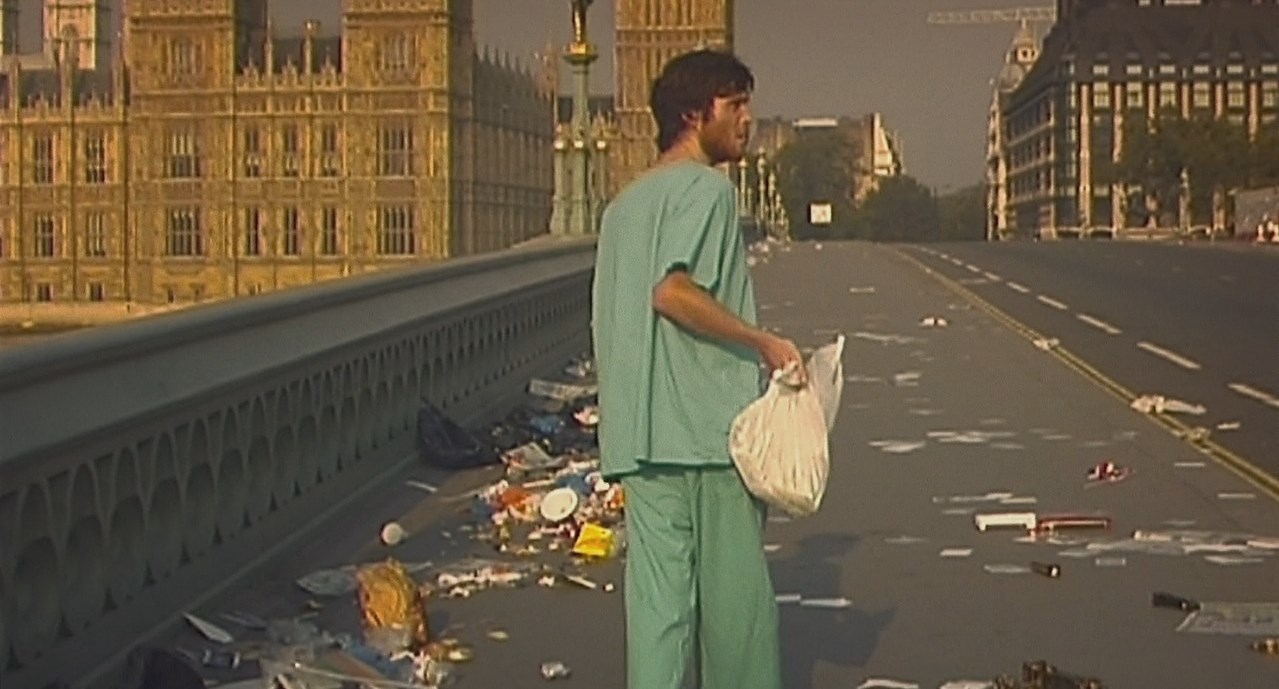
Interest in urban exploration has surged in recent years, with online communities sharing photos of abandoned hospitals, factories, and subway tunnels. One film stands out as a touchstone for this movement: Danny Boyle’s 2002 horror film 28 Days Later. The movie’s depiction of a deserted London, overrun by infected rage victims, captured a haunting vision of urban decay that resonates with explorers today. This article examines how the film’s production created those iconic empty cityscapes, its lasting influence on real-world urbex, and what the upcoming 2025 sequel means for the genre.
What the 2025 Sequel Means for the Urban Exploration Community
In 2024, it was announced that a third film, 28 Years Later, is in development, with Danny Boyle and Alex Garland returning. This news has reignited interest in the original film’s urban exploration themes. For the urbex community, the sequel represents a chance to revisit the aesthetic that made the first movie so influential. Many explorers cite 28 Days Later as their introduction to the beauty of abandoned spaces. The new film, set nearly three decades after the outbreak, will likely feature even more decayed landscapes, offering fresh inspiration for photographers and adventurers. Online forums and social media groups have already begun speculating about filming locations, with some hoping to visit sites used in the production. The sequel’s release in 2025 is expected to boost public awareness of urban exploration, though it may also bring increased scrutiny to the hobby. Background on 28 days later urban exploration is documented in 28DaysLater Urban Exploring Forums
How Danny Boyle Created the Empty London of 28 Days Later
Boyle’s approach to filming a deserted London was both practical and innovative. The production team secured early morning filming permits on key streets, including Westminster Bridge and Piccadilly Circus, before traffic began. They used digital video cameras, which allowed for quick setups and a gritty, documentary-style look. The famous scene of Cillian Murphy’s character walking through an empty London was shot at dawn on a Sunday, with police blocking traffic for only a few minutes at a time. The film’s budget of approximately $8 million meant that visual effects were minimal; instead, the emptiness was achieved through careful scheduling and camera angles. The result was a realistic portrayal of urban abandonment that influenced later films like I Am Legend and The Last of Us. For urban explorers, the film’s authenticity is a key reason it remains a reference point.
Why 28 Days Later Resonates with Urban Explorers in the UK and Beyond
The film’s setting in London and the English countryside gives it a distinct regional flavor. British urban explorers often visit locations that resemble those in the movie: abandoned tube stations, derelict hospitals, and overgrown housing estates. The film’s themes of isolation and survival mirror the motivations of many explorers, who seek solitude and a connection to history. Internationally, the film’s popularity has inspired urbex communities in the United States, Japan, and Europe. Online forums dedicated to 28 Days Later urban exploration share tips on finding locations that evoke the movie’s atmosphere. The film’s influence extends beyond aesthetics; it has also shaped the language of urbex, with terms like “rage virus” and “infected” used metaphorically to describe decay. The upcoming sequel is likely to reinforce this cultural connection, especially if it features new abandoned landmarks.
Comparing 28 Days Later to Other Post-Apocalyptic Films and Real Urbex
While 28 Days Later is often compared to George A. Romero’s zombie films, its portrayal of urban exploration is distinct. Romero’s zombies shuffle through shopping malls, but Boyle’s infected run, creating a sense of panic and urgency. The film’s fast zombies became a trope, influencing games like Left 4 Dead and movies like World War Z. In contrast, real urban exploration is slow and methodical, with explorers documenting decay rather than fleeing from it. Films like The Road and Children of Men also depict abandoned cities, but 28 Days Later remains the most referenced by urbex enthusiasts. The film’s iconic church scene, filmed at St. Mary’s Church in London, is a pilgrimage site for some explorers. The difference between fiction and reality is that real urbex involves legal risks and physical dangers, while the film romanticizes the experience. Nonetheless, the movie’s legacy endures as a visual blueprint for post-apocalyptic exploration.
| Aspect | 28 Days Later | Real Urban Exploration |
|---|---|---|
| Pacing | Fast, urgent | Slow, methodical |
| Threats | Infected humans | Structural decay, legal issues |
| Goal | Survival | Documentation, exploration |
| Setting | Fictional London | Real abandoned sites worldwide |
| Cultural Impact | Inspired urbex aesthetic | Community-driven, legal gray area |
Frequently Asked Questions
What is the legacy of 28 Days Later in urban exploration culture?
The film is widely credited with popularizing the aesthetic of abandoned urban spaces. Its realistic portrayal of a deserted London inspired many to seek out similar locations, and it remains a frequent reference in online urbex communities.
How many locations from 28 Days Later are accessible to urban explorers today?
Several filming locations, such as St. Mary’s Church in London and the housing estate used for the opening scenes, are still standing. However, many are private property or have been redeveloped, so access is limited.
Is 28 Days Later still relevant for modern urban explorers?
Yes, the film’s themes of isolation and decay continue to resonate. The upcoming sequel has renewed interest, and many explorers cite the movie as a key influence on their hobby.
Where was the iconic empty London scene in 28 Days Later filmed?
The scene of Jim walking through a deserted London was filmed on Westminster Bridge, Piccadilly Circus, and other central locations. The production used early morning permits and digital cameras to achieve the empty look.
How does 28 Days Later differ from other post-apocalyptic films in its portrayal of urban exploration?
Unlike films that rely on CGI or studio sets, 28 Days Later used real locations and practical effects, giving it a documentary-like realism. Its fast-infected zombies also set it apart from traditional zombie movies, emphasizing panic over slow decay.
The Role of Abandoned Hospitals and Asylums in 28 Days Later and Real Urbex
One of the most memorable settings in 28 Days Later is the abandoned hospital where Jim wakes up. This location, filmed at a disused hospital in London, captures the eerie stillness that urban explorers seek. Real-life abandoned hospitals and asylums are among the most popular destinations for urbex enthusiasts. These sites often contain decaying medical equipment, patient records, and personal belongings that tell stories of past lives. The film’s hospital scene, with its dimly lit corridors and overturned gurneys, mirrors the atmosphere of places like the Denbigh Asylum in Wales or the Severalls Hospital in Essex. Explorers who visit these locations often report a similar sense of isolation and historical weight. The film’s influence has led some to specifically seek out hospitals that resemble the one in the movie, though many are now secured or demolished. The upcoming sequel may feature new medical facilities, further cementing the connection between the franchise and this branch of urbex.
How the Film’s Soundtrack and Visual Style Enhance the Urbex Experience
The soundtrack of 28 Days Later, composed by John Murphy, plays a crucial role in creating its haunting atmosphere. Tracks like “In the House – In a Heartbeat” have become synonymous with urban decay and are often used in urbex video montages. The film’s use of digital video gives it a grainy, raw quality that feels authentic to the experience of exploring abandoned spaces. Many urban explorers attempt to replicate this aesthetic in their own photography, using low-light techniques and desaturated colors. Online platforms like Flickr and Instagram host thousands of images inspired by the movie. The combination of music and visuals creates an emotional response that mirrors the solitude and wonder of real exploration. For many, watching the film is the next best thing to being there, especially when access to certain sites is restricted.
Legal and Ethical Considerations for Urbex Inspired by 28 Days Later
While 28 Days Later romanticizes urban exploration, the reality involves significant legal and ethical challenges. Trespassing is a criminal offense in most jurisdictions, and explorers risk fines or arrest. The film’s characters break into buildings without consequence, but real explorers must navigate property laws and safety hazards. Many urbex communities emphasize a “take only pictures, leave only footprints” ethic, which contrasts with the film’s destructive scenes. The movie also raises questions about the ethics of filming in abandoned spaces without permission. Some locations used in the film, such as the housing estate, were still occupied or under renovation, leading to debates about respect for residents. The upcoming sequel may face similar scrutiny if it uses real abandoned sites. For explorers, the film serves as both inspiration and cautionary tale. It highlights the beauty of decay but also the need for responsible behavior. As interest in urbex grows, the balance between artistic expression and legal compliance becomes increasingly important.
How Online Communities Keep the 28 Days Later Urbex Spirit Alive
Online forums and social media groups dedicated to 28 Days Later urban exploration have flourished since the film’s release. Platforms like Reddit, Facebook, and specialized urbex websites host discussions about filming locations, photography techniques, and safety tips. Members share their own explorations of sites that resemble those in the movie, from abandoned tube stations to derelict factories. The film’s iconic imagery is frequently used as a benchmark for quality urbex photography. Some groups organize meetups to explore locations together, though these are often kept private to avoid attracting unwanted attention. The upcoming sequel has sparked renewed activity in these communities, with members speculating about new locations and sharing behind-the-scenes information. The film’s legacy is thus preserved not just through its own scenes, but through the real-world explorations it inspires. For many, the line between fiction and reality blurs as they walk through the same empty streets that Jim once traversed.
What the Future Holds for 28 Days Later and Urban Exploration
The announcement of 28 Years Later has generated excitement among both film fans and urban explorers. The sequel, set in a world that has been abandoned for decades, promises to show even more advanced decay. This could introduce new types of locations, such as overgrown infrastructure or collapsed buildings, that reflect the passage of time. For the urbex community, the film may inspire a new wave of interest in exploring post-industrial landscapes. However, it also raises concerns about increased scrutiny and potential damage to sensitive sites. Some explorers worry that the film’s popularity could lead to overcrowding at famous locations, as seen with other movie-inspired destinations. The key will be balancing the film’s artistic vision with the preservation of real-world heritage. As technology advances, virtual reality and drone photography may offer new ways to experience abandoned spaces without physical trespass. The future of 28 Days Later urban exploration lies in this intersection of fiction, reality, and digital innovation.
The Role of Abandoned Hospitals and Asylums in 28 Days Later and Real Urbex
One of the most memorable settings in 28 Days Later is the abandoned hospital where Jim wakes up. This location, filmed at a disused hospital in London, captures the eerie stillness that urban explorers seek. Real-life abandoned hospitals and asylums are among the most popular destinations for urbex enthusiasts. These sites often contain decaying medical equipment, patient records, and personal belongings that tell stories of past lives. The film’s hospital scene, with its dimly lit corridors and overturned gurneys, mirrors the atmosphere of places like the Denbigh Asylum in Wales or the Severalls Hospital in Essex. Explorers who visit these locations often report a similar sense of isolation and historical weight. The film’s influence has led some to specifically seek out hospitals that resemble the one in the movie, though many are now secured or demolished. The upcoming sequel may feature new medical facilities, further cementing the connection between the franchise and this branch of urbex.
How the Film’s Soundtrack and Visual Style Enhance the Urbex Experience
The soundtrack of 28 Days Later, composed by John Murphy, plays a crucial role in creating its haunting atmosphere. Tracks like “In the House – In a Heartbeat” have become synonymous with urban decay and are often used in urbex video montages. The film’s use of digital video gives it a grainy, raw quality that feels authentic to the experience of exploring abandoned spaces. Many urban explorers attempt to replicate this aesthetic in their own photography, using low-light techniques and desaturated colors. Online platforms like Flickr and Instagram host thousands of images inspired by the movie. The combination of music and visuals creates an emotional response that mirrors the solitude and wonder of real exploration. For many, watching the film is the next best thing to being there, especially when access to certain sites is restricted.
Legal and Ethical Considerations for Urbex Inspired by 28 Days Later
While 28 Days Later romanticizes urban exploration, the reality involves significant legal and ethical challenges. Trespassing is a criminal offense in most jurisdictions, and explorers risk fines or arrest. The film’s characters break into buildings without consequence, but real explorers must navigate property laws and safety hazards. Many urbex communities emphasize a “take only pictures, leave only footprints” ethic, which contrasts with the film’s destructive scenes. The movie also raises questions about the ethics of filming in abandoned spaces without permission. Some locations used in the film, such as the housing estate, were still occupied or under renovation, leading to debates about respect for residents. The upcoming sequel may face similar scrutiny if it uses real abandoned sites. For explorers, the film serves as both inspiration and cautionary tale. It highlights the beauty of decay but also the need for responsible behavior. As interest in urbex grows, the balance between artistic expression and legal compliance becomes increasingly important.
How Online Communities Keep the 28 Days Later Urbex Spirit Alive
Online forums and social media groups dedicated to 28 Days Later urban exploration have flourished since the film’s release. Platforms like Reddit, Facebook, and specialized urbex websites host discussions about filming locations, photography techniques, and safety tips. Members share their own explorations of sites that resemble those in the movie, from abandoned tube stations to derelict factories. The film’s iconic imagery is frequently used as a benchmark for quality urbex photography. Some groups organize meetups to explore locations together, though these are often kept private to avoid attracting unwanted attention. The upcoming sequel has sparked renewed activity in these communities, with members speculating about new locations and sharing behind-the-scenes information. The film’s legacy is thus preserved not just through its own scenes, but through the real-world explorations it inspires. For many, the line between fiction and reality blurs as they walk through the same empty streets that Jim once traversed.
What the Future Holds for 28 Days Later and Urban Exploration
The announcement of 28 Years Later has generated excitement among both film fans and urban explorers. The sequel, set in a world that has been abandoned for decades, promises to show even more advanced decay. This could introduce new types of locations, such as overgrown infrastructure or collapsed buildings, that reflect the passage of time. For the urbex community, the film may inspire a new wave of interest in exploring post-industrial landscapes. However, it also raises concerns about increased scrutiny and potential damage to sensitive sites. Some explorers worry that the film’s popularity could lead to overcrowding at famous locations, as seen with other movie-inspired destinations. The key will be balancing the film’s artistic vision with the preservation of real-world heritage. As technology advances, virtual reality and drone photography may offer new ways to experience abandoned spaces without physical trespass. The future of 28 Days Later urban exploration lies in this intersection of fiction, reality, and digital innovation.