
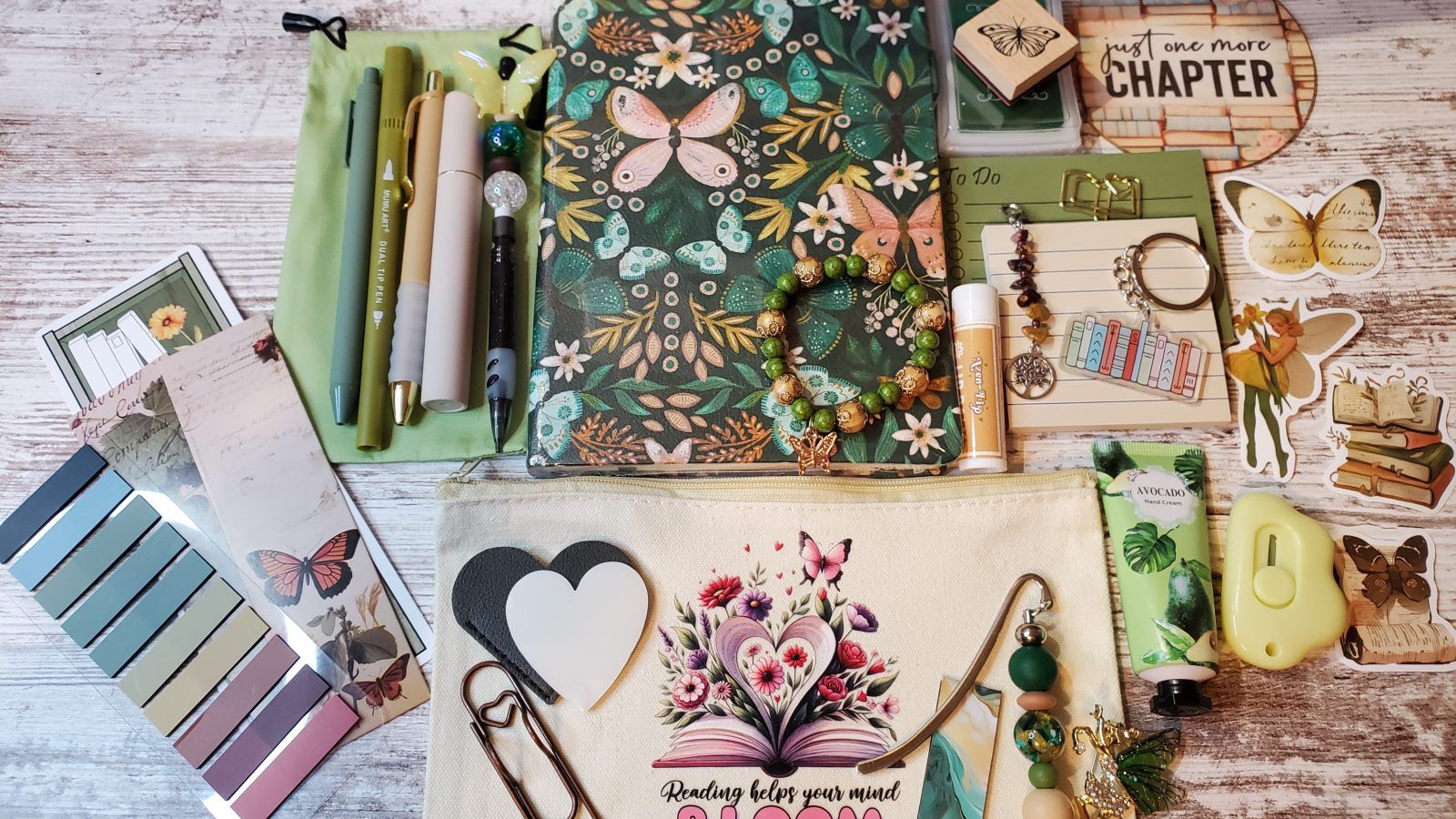
Readers searching for bookish bundles have grown sharply in recent years, with Google Trends showing a steady climb since 2018. These curated sets of books and related items, often delivered monthly, have transformed how people discover new titles and collect exclusive editions. The trend accelerated during the COVID-19 pandemic, when home delivery of curated reading experiences became especially appealing.
How Bookish Bundles Resonate Across Different Reader Demographics
Bookish bundles appeal to a wide range of readers, but their strongest following is among young adult and fantasy fans. Subscription services like OwlCrate, founded in 2015, and FairyLoot, launched in 2016, have built loyal communities around themed monthly boxes. These bundles often include signed copies, art prints, and bookish merchandise that create a sense of discovery and exclusivity. Background on bookish bundles is documented in The Bookish Bundles
Regional reception varies. In the United States and United Kingdom, subscription boxes are widely available and often sell out within hours of release. Independent bookstores in these regions have also adopted the model, using bundles to promote new releases and support local authors. In other parts of the world, such as Australia and parts of Europe, shipping costs and customs can limit access, though some services now offer regional warehouses to reduce delays.
Demographic data from surveys suggest that the typical subscriber is a woman aged 18–35, though male readership is growing. The appeal lies in the curated experience: subscribers trust the box creators to select books they will enjoy, often based on genre preferences. This model reduces decision fatigue and introduces readers to authors they might not otherwise encounter.
Collector demand is another driver. Limited-edition bundles with exclusive covers, sprayed edges, and author signatures create a secondary market where resale values can exceed the original price. This has turned some bookish bundles into sought-after collectibles, further fueling interest.
Inside the World of Bookish Bundles: Key Players and What They Offer
OwlCrate, one of the earliest and most well-known services, ships a monthly themed box to subscribers. Each box contains a newly released young adult hardcover, along with 3–5 bookish items such as candles, pins, or tote bags. The company often collaborates with authors to provide exclusive content, like signed bookplates or letters. OwlCrate also offers a separate box for middle-grade readers, expanding its reach.
FairyLoot, founded by a team of fantasy enthusiasts, focuses exclusively on fantasy and science fiction. Their boxes are known for high-quality exclusive editions with custom artwork, sprayed edges, and often a second book or novella. FairyLoot has built a strong social media presence, with unboxing videos and spoiler-free reveals that generate excitement months in advance.
Other notable players include Illumicrate, a UK-based box that offers a mix of adult and YA fantasy, and The Bookish Box, which provides a range of genres including romance and thriller. Some services, like Once Upon a Book Club, incorporate gifts that correspond to specific pages in the book, creating an interactive reading experience.
Independent bookstores have also entered the space. For example, The Ripped Bodice, a romance-focused bookstore in Los Angeles, offers a monthly subscription box featuring new romance releases and themed merchandise. These store-run bundles often highlight local authors and small presses, supporting the broader publishing ecosystem.
Pricing for monthly bundles typically ranges from $30 to $60, depending on the contents. Premium boxes with multiple books or high-end merchandise can cost more. Many services offer quarterly or annual subscriptions at a discount, and some allow one-time purchases for specific themed boxes.
| Service | Founded | Genre Focus | Typical Price |
|---|---|---|---|
| OwlCrate | 2015 | Young Adult | $30–$35 |
| FairyLoot | 2016 | Fantasy & Sci-Fi | $35–$45 |
| Illumicrate | 2017 | Fantasy (YA & Adult) | $40–$50 |
| The Bookish Box | 2018 | Multi-genre | $35–$55 |
Timeline of Key Moments in the Bookish Bundle Industry
The concept of bookish bundles predates the subscription box boom. Early examples include book-of-the-month clubs from the 20th century, but the modern curated box emerged in the 2010s. In 2015, OwlCrate launched, setting the template for monthly themed boxes with exclusive items. The following year, FairyLoot entered the market, specializing in fantasy and quickly gaining a dedicated following.
2017 saw the founding of Illumicrate in the UK, which expanded the market to Europe. That same year, The Bookish Box launched, offering a wider genre range. The industry grew steadily, with new services appearing each year. By 2019, the market had become competitive, with boxes differentiating through exclusive editions, author collaborations, and social media engagement.
The COVID-19 pandemic in 2020 was a turning point. With bookstores closed and readers stuck at home, demand for bookish bundles surged. Many services reported record subscription numbers and sold out months in advance. This period also saw the rise of independent bookstore bundles, as stores pivoted to online sales and subscription models to survive.
In 2021, FairyLoot opened a US warehouse to reduce shipping times and costs for American subscribers. OwlCrate launched a middle-grade box, broadening its audience. The secondary market for exclusive editions grew, with some boxes reselling for hundreds of dollars on eBay and Mercari.
2022 and 2023 brought challenges. Supply chain issues delayed shipments, and rising material costs forced some boxes to raise prices or reduce contents. Subscription fatigue also emerged, with some readers rotating between services or canceling after a few months. Despite this, the industry remained robust, with new niche boxes appearing, such as those focused on romance, mystery, or diverse voices.
Current Status and What Comes Next for Bookish Bundles
As of 2025, the bookish bundle market is mature but still evolving. Major players like OwlCrate and FairyLoot continue to dominate, but they face competition from smaller, genre-specific boxes and independent bookstore offerings. Subscription cancellation rates can be high, as readers rotate between different box services, but loyal subscribers remain the backbone of the industry.
Recent developments include a push toward sustainability. Some boxes now use eco-friendly packaging and offer digital-only items to reduce waste. Others have introduced customization options, allowing subscribers to choose their book genre or skip months. Technology is also playing a role: augmented reality features in some boxes let readers scan pages for exclusive content.
The rise of BookTok and BookTube has amplified the unboxing experience, with influencers showcasing their hauls to millions of viewers. This free marketing drives new subscriptions and creates hype around limited editions. Some boxes now collaborate directly with popular BookTubers to design exclusive bundles.
Looking ahead, the industry may see consolidation, with larger companies acquiring smaller boxes. International expansion remains a growth area, as services open regional distribution centers to serve markets in Asia, Australia, and South America. Personalization through AI-driven recommendations could also become a differentiator, tailoring each box to individual reading preferences.
Independent bookstores are likely to continue using bundles as a way to build community and drive sales. Some have started offering subscription boxes that include a store credit or event access, blending the digital and physical experience. The future of bookish bundles will depend on balancing exclusivity with accessibility, and on maintaining the sense of surprise and delight that first made them popular.
Frequently Asked Questions
What impact have bookish bundles had on the publishing industry?
Bookish bundles have boosted sales for new releases, especially in YA and fantasy genres. They provide a guaranteed revenue stream for publishers and help launch debut authors. The exclusive editions also create collector demand, driving pre-orders and sellouts.
Where can I find bookish bundles that ship internationally?
Many services ship worldwide, but costs vary. OwlCrate and FairyLoot offer international shipping, though fees can be high. Some regional services like Illumicrate (UK) and The Bookish Box (US) have warehouses in multiple countries to reduce costs.
How does a bookish bundle differ from a traditional book club?
A bookish bundle is a curated set of books and merchandise delivered monthly, often with no discussion component. Traditional book clubs focus on group discussion of a single book. Bundles emphasize discovery and collectibility, while clubs emphasize community and analysis.
Who are the founders of major bookish bundle services?
OwlCrate was founded by a team including Karina Granda-Blackburn and her husband. FairyLoot was created by a group of fantasy fans led by Anissa and her team. Illumicrate was founded by a team of UK book lovers. Specific names are not always publicly detailed.
Why did bookish bundles become so popular during the pandemic?
With physical bookstores closed and people spending more time at home, bookish bundles offered a safe, curated way to discover new books. The surprise element and exclusive items provided comfort and entertainment during lockdowns, driving a surge in subscriptions.
The Role of Social Media in Driving Bookish Bundle Popularity
Social media platforms have been instrumental in the growth of bookish bundles. Instagram, TikTok, and YouTube are filled with unboxing videos, spoiler-free reveals, and monthly hauls that generate excitement and anticipation. Hashtags like #bookishbundle and #bookbox have millions of posts, creating a visual archive of past boxes that potential subscribers can browse. Influencers and bookstagrammers often partner with box services to promote new themes, offering discount codes to their followers. This word-of-mouth marketing is highly effective because it comes from trusted voices within the reading community.
The visual nature of bookish bundles makes them particularly suited to platforms like Instagram and TikTok. The exclusive covers, sprayed edges, and themed merchandise are photogenic and shareable. Box services invest in high-quality packaging and design, knowing that subscribers will post pictures online. This user-generated content serves as free advertising and builds a sense of community among subscribers who share their hauls using dedicated hashtags. Some services even feature subscriber posts on their official accounts, further encouraging engagement.
BookTok, a community on TikTok focused on books, has been especially influential. Videos with the #BookTok tag have billions of views, and a positive review from a popular creator can cause a book to sell out within days. Bookish bundle services have capitalized on this by including BookTok-famous titles in their boxes, ensuring that subscribers receive books that are already generating buzz. Some boxes have collaborated directly with BookTok creators to design exclusive editions or themed boxes, tapping into their large followings.
Facebook groups and Discord servers also play a role. Many box services have private groups where subscribers can discuss the latest box, share spoilers, and trade items. These communities foster loyalty and provide valuable feedback to the companies. They also create a sense of belonging, which reduces churn rates. Subscribers who feel connected to a community are more likely to maintain their subscriptions and recommend the service to others.
Challenges Facing the Bookish Bundle Industry
Despite its popularity, the bookish bundle industry faces several challenges. One of the most significant is supply chain disruption. Boxes rely on timely delivery of books and merchandise from multiple suppliers. Delays at any point can cause boxes to ship late, leading to subscriber dissatisfaction. During the pandemic, many services experienced delays, and some had to substitute items, which upset collectors who expected specific editions. Even now, global shipping issues can affect the availability of exclusive covers or special finishes.
Another challenge is subscription fatigue. With dozens of box services available, readers may sign up for several at once, only to cancel after a few months when the novelty wears off. This high churn rate forces companies to constantly attract new subscribers to maintain revenue. Some services have responded by offering shorter commitments, such as month-to-month subscriptions, or by allowing subscribers to skip months without penalty. Others have introduced loyalty programs or referral bonuses to retain customers.
Pricing pressure is also a concern. The cost of producing exclusive editions, sourcing merchandise, and shipping has risen. To maintain profit margins, some boxes have increased prices or reduced the number of items per box. This can lead to subscriber backlash, especially if the perceived value declines. Balancing quality and affordability is a delicate act. Some services have introduced tiered pricing, offering a basic box with fewer items and a premium box with more exclusive content.
Environmental concerns are growing. Bookish bundles generate packaging waste, from the outer box to the individual wrapping of each item. Some subscribers have criticized the industry for its environmental footprint. In response, several services have adopted eco-friendly practices, such as using recycled materials, reducing plastic, and offering digital-only items like e-books or audiobooks instead of physical merchandise. However, these changes can be costly and may not fully satisfy environmentally conscious consumers.
Finally, the secondary market for exclusive editions poses both opportunities and risks. While reselling can drive demand and create buzz, it also means that some subscribers buy boxes solely to resell the contents, depriving genuine readers of access. Box services have tried to combat this by limiting the number of boxes per customer or by making some items non-transferable. However, enforcing these policies is difficult, and the resale market continues to thrive on platforms like eBay and Poshmark.
How Bookish Bundles Are Adapting to Changing Consumer Preferences
Consumer preferences in the bookish bundle market are shifting toward greater personalization and flexibility. Many subscribers now expect the ability to customize their boxes, choosing genres, skipping months, or swapping items. Services like Uppercase Box and LitJoy Crate have introduced customization options, allowing subscribers to select their preferred book genre or opt out of certain merchandise categories. This trend reflects a broader move away from one-size-fits-all subscription models toward more tailored experiences.
Another adaptation is the rise of digital-only bundles. Some services now offer e-book and audiobook bundles, often paired with digital merchandise like wallpapers or playlists. These bundles appeal to readers who prefer digital formats or who want to reduce physical clutter. They also eliminate shipping costs and delays, making them accessible to a global audience. For example, Book of the Month, while not a traditional bundle, offers a digital subscription that includes access to exclusive content and community features.
Limited-edition collaborations have become more frequent. Box services partner with popular authors, artists, or even other brands to create unique bundles that generate buzz. For instance, FairyLoot has collaborated with authors like Sarah J. Maas and Leigh Bardugo to produce exclusive editions of their books. These collaborations often sell out within minutes, demonstrating the power of scarcity and brand alignment. They also attract new subscribers who are fans of the collaborator, expanding the service’s reach.
The rise of bookish bundles has also influenced traditional publishing. Publishers now routinely produce exclusive editions for subscription boxes, recognizing the marketing value. Some have even launched their own subscription services, such as Penguin Random House’s “Book Club Box” or HarperCollins’s “HarperTeen Box.” These publisher-run boxes often include advance reader copies and author interviews, offering a behind-the-scenes look at the publishing process. This integration suggests that bookish bundles are no longer a niche trend but a permanent fixture in the book industry.