
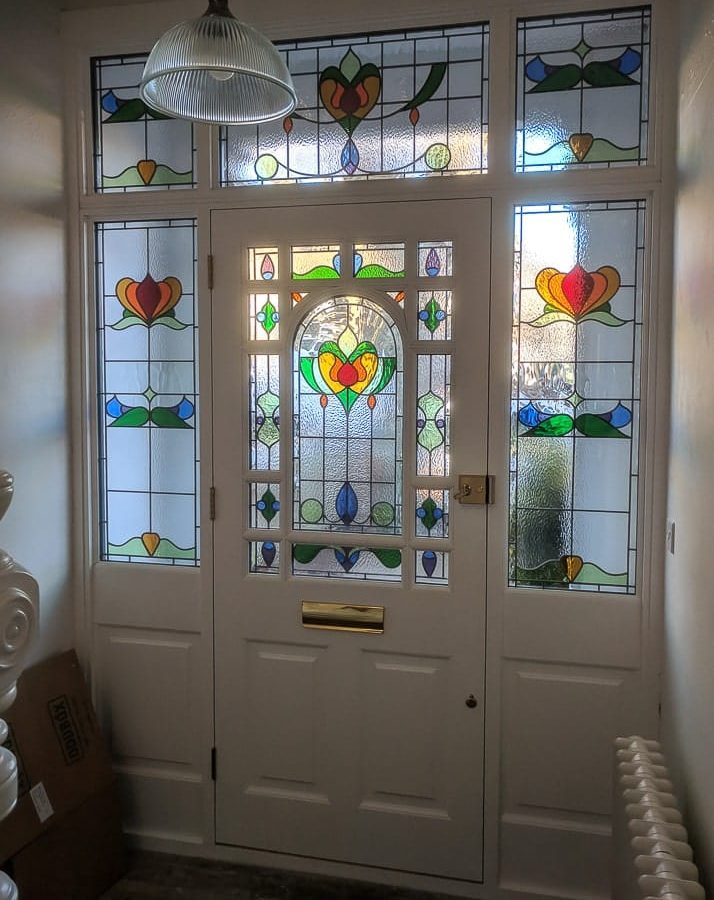
What exactly is front door stained glass, and why has it remained a sought-after feature for over a century? It is decorative glass set into an entry door, often featuring colored patterns or scenes, and it gained popularity in Victorian-era homes (1837–1901) as a sign of craftsmanship and wealth. This article explores its history, common misconceptions, comparisons with related glass types, and modern applications.
Key Milestones in the Evolution of Entry Door Stained Glass
The story of front door stained glass begins in the mid-19th century. During the Victorian era, mass production of glass made decorative elements more accessible. Homeowners used stained glass to display status and artistic taste. The Arts and Crafts movement (1880–1920) shifted focus to handcrafted designs inspired by nature. Artisans like Frank Lloyd Wright later introduced geometric patterns for Prairie-style houses (1900–1910s), integrating stained glass into the overall architectural vision. Public records covering this story are gathered in Front door
Beveled glass emerged as a popular subtype in the early 20th century. Its angled cuts refract light, creating prismatic effects. This style became common in American homes built between 1900 and 1930. After a decline in the mid-20th century, interest revived during the 1970s restoration movement. Today, modern stained glass doors often use tempered glass for safety and energy efficiency. Recent trends favor minimalist designs with clear or frosted accents over traditional ornate patterns.
| Period | Key Developments |
|---|---|
| Victorian (1837–1901) | Mass production made stained glass affordable; ornate floral and religious scenes popular. |
| Arts and Crafts (1880–1920) | Handcrafted nature-inspired designs; emphasis on craftsmanship. |
| Prairie School (1900–1910s) | Frank Lloyd Wright’s geometric stained glass integrated into architecture. |
| Early 20th Century | Beveled glass becomes widespread in American homes. |
| 1970s–Present | Restoration movement revives interest; modern safety and energy standards. |
Common Misconceptions About Stained Glass Entry Doors
Many people believe that stained glass doors are fragile and unsafe. In reality, modern stained glass doors often use tempered or laminated glass, making them as strong as standard doors. Another misconception is that stained glass always reduces privacy. While traditional designs are translucent, many contemporary options use frosted or textured glass that obscures view while allowing light. Public records covering this story are gathered in Stained Decorative Glass Front Doors for Entryways | Lowe's
Some assume that stained glass is prohibitively expensive. The average cost for a custom front door stained glass panel ranges from $500 to $5,000 in 2024, depending on complexity and materials. Pre-made panels can be more affordable. Another myth is that stained glass is outdated. However, minimalist and abstract designs have made it popular in modern homes. Finally, people often think stained glass requires high maintenance. In truth, it needs only occasional cleaning with mild soap and water, and lead came can be resealed every few decades.
Comparing Stained Glass with Beveled, Etched, and Frosted Glass Doors
Stained glass differs from beveled glass primarily in construction. Stained glass uses colored pieces held together by lead came, while beveled glass consists of clear glass with angled edges that refract light. Beveled glass is often used in combination with stained glass for added sparkle. Etched glass involves acid or sandblasting to create patterns on clear glass, offering a more subtle look. Frosted glass is produced by acid etching or sandblasting the entire surface, providing privacy without color.
Each type has distinct advantages. Stained glass offers vibrant colors and artistic expression. Beveled glass adds elegance and light play. Etched glass provides custom designs with a modern feel. Frosted glass is the most private and cost-effective. Homeowners often choose based on architectural style: Victorian homes suit ornate stained glass, while mid-century modern homes may prefer geometric etched designs. The choice also affects home value—stained glass can increase value by adding unique architectural character, per real estate experts.
The Origins and Craftsmanship Behind Front Door Stained Glass
The tradition of stained glass dates back to medieval churches, but its application to front doors became widespread during the Victorian era. The Industrial Revolution made glass production cheaper, allowing middle-class families to afford decorative entries. Craftsmen used lead came to hold colored glass pieces, creating intricate patterns. The Arts and Crafts movement later revived handcrafted techniques, emphasizing natural motifs like flowers and leaves.
Frank Lloyd Wright’s Prairie-style houses integrated stained glass into the door as part of a unified design. His geometric patterns, such as those in the Robie House (1909), influenced generations of architects. In the early 20th century, beveled glass became a hallmark of American Craftsman bungalows. Today, restoration specialists preserve original 19th-century pieces, while DIY kits have grown in popularity since 2020 due to home renovation trends. The craft continues to evolve, blending traditional methods with modern safety standards.
Frequently Asked Questions
How does stained glass differ from beveled glass for front doors?
Stained glass uses colored glass pieces joined by lead came, while beveled glass is clear glass with angled edges that refract light. Beveled glass is often used as an accent within stained glass panels to add sparkle.
Who are the key historical figures associated with front door stained glass?
Frank Lloyd Wright is a notable architect who used geometric stained glass in Prairie-style homes. The Arts and Crafts movement also featured artisans like Louis Comfort Tiffany, though his work focused more on lamps and windows than doors.
What is front door stained glass best known for?
It is best known for adding artistic character and curb appeal to homes. Its colorful patterns and light effects create a welcoming entrance, and it is often associated with Victorian and Craftsman architectural styles.
How many types of stained glass are commonly used in front doors?
There are several types, including traditional leaded stained glass, beveled glass, etched glass, and frosted glass. Each offers different levels of color, privacy, and light transmission.
What is the average cost of a custom front door stained glass panel?
In 2024, the average cost ranges from $500 to $5,000, depending on size, complexity, and materials. Pre-made panels are generally less expensive than custom designs.
Modern Applications and Design Trends for Entry Door Stained Glass
Contemporary architecture has embraced stained glass in ways that differ from historical precedents. Minimalist homes often incorporate clear or frosted glass with subtle colored accents, rather than full-color scenes. This approach maintains privacy while adding a touch of artistry. Some homeowners commission custom panels that reflect personal interests, such as abstract patterns or nature motifs. The use of tempered glass has made stained glass safer and more durable, meeting modern building codes.
Energy efficiency is another consideration. Double-glazed stained glass units are now available, combining decorative appeal with insulation. These units consist of a stained glass panel sealed with a second pane of clear glass, reducing heat loss. Some manufacturers offer low-emissivity coatings that further improve thermal performance. This innovation addresses a common concern about older stained glass doors being drafty.
Smart home integration has also influenced stained glass design. Some homeowners install LED backlighting behind stained glass panels, allowing the colors to glow at night. This creates a dramatic entrance effect. Others use film overlays that mimic stained glass on existing windows, offering a temporary or lower-cost alternative. These films are not true stained glass but provide a similar aesthetic for renters or budget-conscious homeowners.
Restoration of original stained glass doors remains a niche but active market. Specialists can repair cracked glass, replace missing pieces, and re-lead panels. The National Trust for Historic Preservation has guidelines for maintaining stained glass in historic homes. Many homeowners seek to preserve original features when renovating older properties, as stained glass adds authenticity and character.
How to Choose the Right Stained Glass for Your Front Door
Selecting stained glass involves several factors: architectural style, privacy needs, light transmission, and budget. For Victorian or Gothic Revival homes, traditional floral or geometric patterns in rich colors work well. Craftsman bungalows pair nicely with beveled glass or nature-inspired designs. Mid-century modern homes suit abstract or minimalist patterns. Contemporary homes can use frosted glass with subtle color accents for a clean look.
Privacy is a key consideration. If the door faces a busy street, opt for translucent or heavily textured glass that obscures shapes. For a more private entry, consider combining stained glass with an opaque backing or using etched glass. Light transmission varies by design; lighter colors and larger clear areas allow more natural light into the foyer. Darker, denser patterns reduce light but offer more privacy.
Budget ranges widely. Pre-made panels from home improvement stores cost between $200 and $1,500. Custom designs from artisans start around $1,000 and can exceed $10,000 for large, intricate pieces. Installation costs add $200 to $600 depending on door type. Some homeowners choose to install stained glass inserts into existing doors, which is less expensive than replacing the entire door.
Maintenance is straightforward. Clean stained glass with a soft cloth and mild detergent. Avoid abrasive cleaners that can scratch the glass or damage the lead came. Inspect the lead came every few years for signs of deterioration. Resealing may be needed after 20–30 years. For exterior doors, a protective storm door can shield the stained glass from weather extremes.
Regional Variations in Front Door Stained Glass Styles
Stained glass styles vary by region due to local architectural traditions and available materials. In the northeastern United States, Victorian-era homes often feature elaborate stained glass with floral or religious motifs. The Boston area has many examples from the late 1800s. In the Midwest, Prairie-style homes by Frank Lloyd Wright and his followers use geometric patterns with earth tones. Chicago’s Oak Park neighborhood is a notable concentration.
In the southern United States, stained glass is less common due to milder climates and different architectural preferences. However, Spanish Colonial Revival homes in Florida and California sometimes use stained glass with Moorish or geometric patterns. The Arts and Crafts movement had a strong presence in California, with bungalows featuring beveled glass and nature scenes.
European traditions also influence American styles. English Victorian homes often use stained glass with heraldic designs or floral patterns. German and Austrian homes favor geometric or Art Nouveau styles. In recent years, global influences have introduced new motifs, such as Japanese-inspired bamboo or wave patterns. Custom artisans can create panels that reflect the homeowner’s heritage or personal taste.
Climate considerations affect material choices. In humid regions, stained glass panels may require additional sealing to prevent moisture damage. In areas with extreme temperature swings, double-glazed units are recommended to reduce thermal stress. Local building codes may also dictate the type of glass used, especially for doors that serve as egress points.
DIY vs. Professional Installation of Stained Glass Doors
Installing a stained glass door can be a DIY project for experienced homeowners, but it requires careful planning. Pre-made panels often come as inserts that fit into standard door frames. The process involves removing the existing door, cutting an opening, and securing the panel. Tools needed include a jigsaw, glass cutter, and lead came. Safety precautions are essential due to sharp glass edges.
Professional installation is recommended for custom or large panels. Installers ensure proper fit, weatherproofing, and structural integrity. They can also integrate the stained glass with existing door hardware. Costs for professional installation range from $300 to $800, depending on complexity. Some companies offer full-service design and installation, providing a warranty on both materials and workmanship.
DIY stained glass kits have become popular since 2020, with online tutorials and pre-cut pieces. These kits allow homeowners to create their own designs, though the learning curve is steep. Professional artisans spend years mastering the craft, so complex designs are best left to experts. For those who want the look without the work, stained glass film is a temporary alternative that can be applied to existing glass.
Regardless of the approach, proper measurement is critical. Measure the door opening accurately, accounting for frame depth and any obstructions. A poorly fitted panel can lead to drafts, water leaks, or glass breakage. Many hardware stores offer custom sizing services for pre-made panels.
How to Maintain and Preserve Front Door Stained Glass Over Time
Proper maintenance extends the life of stained glass doors significantly. The primary concern is protecting the lead came, which holds the glass pieces together. Over decades, lead can oxidize and become brittle. Applying a specialized lead sealant every 20 to 30 years helps prevent deterioration. For exterior doors, a storm door provides an extra layer of protection against rain, snow, and UV radiation.
Cleaning should be done gently. Use a soft microfiber cloth and a solution of mild dish soap and water. Avoid ammonia-based cleaners, which can damage the glass or the lead. For stubborn dirt, a soft brush can dislodge particles. Never use pressure washers or abrasive pads. Inspect the panel annually for cracks or loose pieces. Small cracks can be repaired with epoxy, while larger damage may require professional restoration.
Temperature fluctuations can stress stained glass. In regions with extreme winters, consider adding a secondary glazing layer on the interior side. This creates an insulating air gap and reduces condensation. Condensation can lead to mold growth on the lead came. If moisture appears between double-glazed units, the seal has failed and replacement may be necessary.
For historic homes, preservation guidelines recommend minimal intervention. The National Park Service’s Preservation Briefs offer detailed advice on maintaining stained glass. Documenting the original design with photographs can help if restoration is needed later. Some homeowners choose to remove original panels and store them safely, replacing them with modern reproductions for everyday use.
The Role of Front Door Stained Glass in Home Value and Curb Appeal
Real estate professionals often note that stained glass doors enhance curb appeal. A well-designed panel can make a home stand out in a neighborhood. In historic districts, original stained glass is a prized feature that can increase property value. According to some real estate sources, homes with stained glass entry doors may sell faster than comparable homes without, though exact figures vary.
The impact on value depends on quality and appropriateness. A poorly executed or mismatched panel can detract from the home’s appearance. Custom designs that complement the architectural style are most effective. For example, a Victorian home with a reproduction Gothic-style panel may appeal to buyers seeking authenticity. Conversely, a modern abstract panel on a traditional colonial might seem out of place.
Appraisers consider stained glass as a decorative feature rather than a structural element. Its value is subjective and tied to local market preferences. In areas with many historic homes, stained glass is expected. In newer subdivisions, it may be seen as a luxury upgrade. Homeowners should weigh the cost against potential return, especially if planning to sell within a few years.
Insurance considerations are minimal. Standard homeowners policies typically cover stained glass as part of the dwelling, though high-value custom panels may require a rider. Documenting the panel with photos and appraisals can simplify claims. Some insurers offer discounts for impact-resistant glass, which modern stained glass panels can incorporate.