
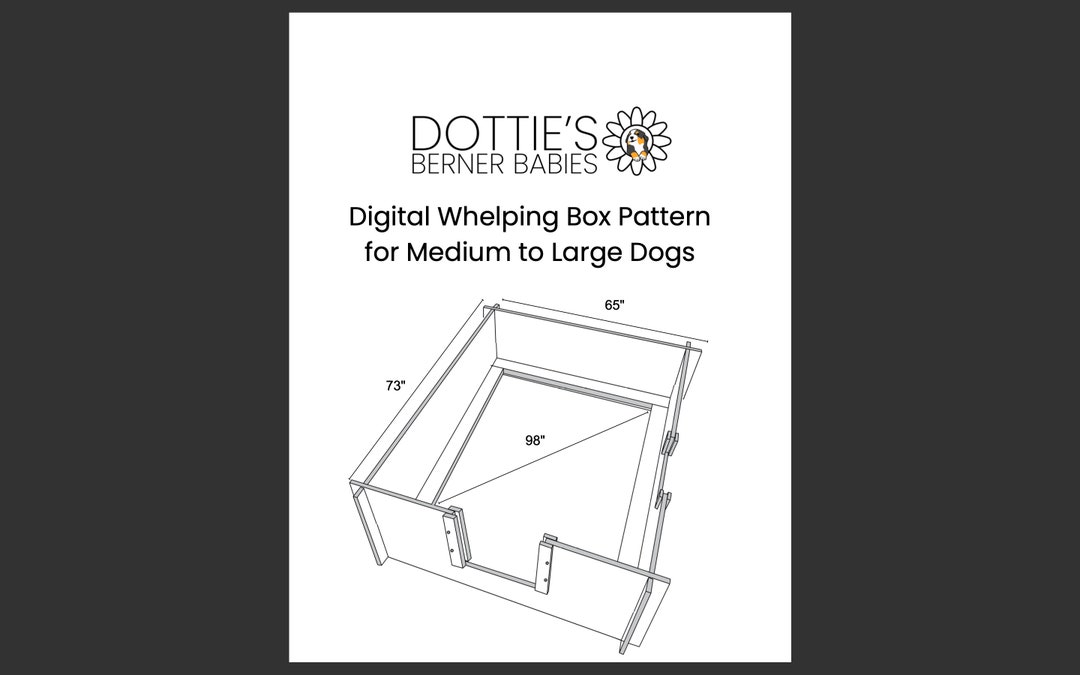
In a quiet corner of a breeder’s home, a pregnant dog paces restlessly. She is searching for a secure spot to deliver her litter. That spot is often a whelping pen, a dedicated enclosure designed for birthing and nursing puppies. This article explains what a whelping pen is, how it differs from other pet enclosures, and what facts every owner should know.
How a Whelping Pen Differs from a Crate or Playpen
Many pet owners confuse a whelping pen with a standard dog crate or a puppy playpen. While all three confine an animal, their purposes and designs differ significantly. A dog crate is primarily for sleeping, travel, or house training. It is small and enclosed, offering a den-like feel. A playpen is larger and used for supervised play, often with no top cover. A whelping pen, however, is specifically engineered for the birthing process and the first weeks of a puppy’s life.
The most distinctive feature of a whelping pen is the pig rail, also called a whelping rail. This is a ledge or bar installed a few inches above the floor along the walls. Its purpose is to prevent the mother from accidentally crushing puppies against the side of the pen. If the mother lies down and a puppy is near the wall, the rail creates a gap that allows the puppy to escape. Standard crates and playpens lack this safety feature.
Another difference is the height of the walls. Whelping pens have low sides, usually 12 to 18 inches, so the mother can step in and out easily. But the walls are high enough to contain newborn puppies, who cannot climb. In contrast, playpens often have taller sides to prevent older puppies from escaping. The flooring also differs. Whelping pens require non-slip surfaces to protect tiny legs. Many models use textured plastic or rubber mats. Crates often have smooth plastic trays that can be slippery for newborns.
Size is another key distinction. A whelping pen must be large enough for the mother to stretch out and turn around, with extra space for the puppies. For a large breed like a Labrador, the pen should be at least 4 feet by 4 feet. Crates are typically smaller and not designed for prolonged confinement with a litter. Playpens can be larger but lack the pig rail and other whelping-specific features.
Materials also vary. Whelping pens are commonly made of plastic, metal, or wood. Plastic pens are easy to clean and disinfect, which is critical for hygiene during birth. Metal pens are durable but may require padding to prevent drafts. Wooden pens look attractive but can absorb moisture and bacteria if not sealed properly. Crates are usually metal or plastic, while playpens are often lightweight plastic or mesh.
In summary, a whelping pen is a specialized tool, not a multi-purpose enclosure. Using a crate or playpen for whelping increases the risk of puppy injury or death. Breeders and veterinarians recommend investing in a proper whelping pen for the safety of both mother and litter.
What Is Confirmed and What Remains Unverified About Whelping Pens
Several claims about whelping pens are widely accepted by veterinarians and breeders. The pig rail is proven to prevent crushing, one of the leading causes of puppy death in the first week. The pen should be set up one to two weeks before the due date to allow the mother to acclimate. This is standard advice from veterinary sources.
Small breeds like Chihuahuas need a pen of about 2 feet by 3 feet, while giant breeds like Great Danes require at least 5 feet by 5 feet. The pen should have a low entrance for the mother but high enough walls to contain puppies until they are three to four weeks old. Heated whelping pads have become popular since 2023, and studies show they help maintain optimal puppy body temperature, which is critical because newborns cannot regulate their own heat.
However, some claims remain unverified or disputed. One common belief is that a whelping pen must have a top cover to prevent the mother from jumping out. In reality, most mothers do not attempt to leave the pen once they accept it. A top cover may be useful for breeds known to be jumpers, but it is not a universal requirement. Another unverified claim is that the pen should be placed in a high-traffic area to socialize puppies early. Some experts argue that the mother needs quiet and privacy during labor, and excessive noise can stress her. The optimal location is a quiet, warm room away from household activity.
There is also debate about the ideal flooring material. Some breeders insist on using newspaper or towels, while others prefer rubber mats or artificial grass. Newspaper can become slippery when wet, and towels can trap bacteria. Rubber mats are easier to clean but may be too hard for newborns. The best choice likely depends on the specific pen design and the breeder’s cleaning routine. No single material has been proven superior in controlled studies.
Finally, the claim that a whelping pen can be used for other purposes after weaning is partially true. Many pens are foldable and portable, making them suitable as a temporary playpen or confinement area. However, the pig rail may be a tripping hazard for older puppies or small dogs. Some manufacturers sell conversion kits to remove the rail, but this is not standard. Buyers should check if the pen is multi-purpose before assuming it can serve beyond whelping.
The Origins of the Whelping Pen: A History Tied to Dog Breeding
The concept of a whelping pen is centuries old. Early breeders used simple wooden boxes or crates lined with straw. The term “whelping” comes from Old English “hwelp,” meaning a young dog or puppy. In medieval Europe, hunting dogs were often bred in kennels, and bitches were isolated in straw-filled enclosures during birth. These early pens were rudimentary but served the same purpose: to protect the mother and puppies from cold, predators, and accidental injury.
By the 19th century, dog breeding became more organized, especially in England and Germany. Breeders began to standardize kennel designs. The first dedicated whelping boxes appeared in the late 1800s, often made of wood with a hinged front for easy access. These boxes had low sides but no pig rail. The pig rail was invented later, likely in the mid-20th century, as breeders recognized the risk of crushing. The exact inventor is unknown, but the design quickly became standard in professional kennels.
In the 1970s and 1980s, plastic and metal whelping pens entered the market. These materials offered easier cleaning and disinfection, reducing the spread of diseases like parvovirus. Manufacturers began adding features like non-slip floors, adjustable pig rails, and foldable frames. The rise of small-scale hobby breeding in the 1990s increased demand for affordable, portable pens. Today, most whelping pens are made of durable plastic or coated metal, with some high-end models including heating elements.
Veterinary medicine has also influenced pen design. This led to recommendations for heated pads, temperature monitoring, and strict hygiene protocols. The American Kennel Club and other breed organizations now provide guidelines for whelping pen setup. In 2023, heated whelping pads became a popular add-on, with many breeders reporting improved survival rates.
The history of the whelping pen reflects the evolution of dog breeding from a practical necessity to a science. While the basic concept remains unchanged, modern materials and safety features have made pens far more effective. Today, a well-designed whelping pen is considered essential equipment for any responsible breeder.
Common Misconceptions About Whelping Pens Clarified with Facts
Misconception 1: A whelping pen is the same as a dog crate. Fact: A crate is for sleeping or travel; a whelping pen has a pig rail, non-slip flooring, and low sides for easy access. Using a crate for whelping can lead to puppy deaths from crushing or hypothermia.
Misconception 2: The pen should be set up just before birth. Fact: Veterinarians recommend setting up the pen one to two weeks before the due date. This allows the mother to become familiar with the space and reduces stress during labor. A stressed mother may delay birth or reject puppies.
Misconception 3: Any soft bedding is fine for the floor. Fact: Newborn puppies need a non-slip surface that provides traction. Towels, blankets, or newspaper can become slippery and cause splayed legs. Rubber mats or textured plastic are safer. Bedding should also be easy to clean and replace.
Misconception 4: The pen should be in a busy area to socialize puppies. Fact: The mother needs a quiet, private space during labor and the first week. Excessive noise or foot traffic can cause her to become anxious or aggressive. Socialization can begin after the puppies are two to three weeks old, in a separate area.
Misconception 5: A whelping pen is only for dogs. Fact: Whelping pens are also used for cats, rabbits, and other small mammals. The same principles apply: a safe, confined space with non-slip flooring and protection from crushing. Cat breeders often use smaller versions with higher sides to prevent kittens from climbing out.
Misconception 6: Once the puppies are weaned, the pen is useless. Fact: Many modern pens are foldable and portable, making them useful as a playpen or temporary confinement area. However, the pig rail may be a hazard for older animals. Some pens allow removal of the rail, extending their usefulness.
| Feature | Whelping Pen | Dog Crate | Playpen |
|---|---|---|---|
| Primary Use | Birthing and nursing | Sleeping, travel, training | Supervised play |
| Pig Rail | Yes | No | No |
| Flooring | Non-slip | Often smooth plastic | Varies |
| Wall Height | Low (12-18 in) | High (24-36 in) | Medium to high |
| Portability | Often foldable | Usually foldable | Often foldable |
Frequently Asked Questions
Is a whelping pen still necessary if the mother has a quiet room?
Yes, a quiet room alone does not provide the safety features of a whelping pen. The pig rail prevents crushing, and the non-slip floor protects puppy legs. A room may have gaps under furniture where puppies can get stuck. The pen confines the litter in a controlled environment, making monitoring easier.
Who should use a whelping pen — only professional breeders?
No, any dog owner expecting a litter can benefit. Even a single accidental pregnancy warrants a whelping pen to reduce risks. Veterinarians recommend them for all breeds. First-time mothers especially need the security of a designated space. Pens are affordable and reusable for future litters or other pets.
What is the ideal size for a whelping pen for a medium-sized dog?
For a medium breed like a Beagle or Cocker Spaniel, a pen of 3 feet by 3 feet is sufficient. The mother must be able to lie down fully with room for puppies. If the pen is too small, she may accidentally step on them. Too large, and puppies may wander away from the heat source. Consult breed-specific guidelines.
Is it true that whelping pens can cause hip dysplasia in puppies?
This is a rumor with no scientific backing. Hip dysplasia is primarily genetic, not caused by flooring. However, slippery surfaces can contribute to splayed legs, a temporary condition. Non-slip flooring in a whelping pen actually reduces the risk of abnormal limb development. Proper nutrition and genetics are the main factors for hip health.
Where should a whelping pen be placed in the home?
Place the pen in a quiet, draft-free room with a stable temperature around 85°F for the first week. Avoid direct sunlight and high-traffic areas. The room should be easy to clean and have an electrical outlet for heating pads. A spare bedroom or laundry room often works well. Keep other pets away to reduce stress.
How to Choose the Right Whelping Pen for Your Dog
Selecting a whelping pen requires careful consideration of your dog’s breed, size, and temperament. The first factor is size. Measure your dog from nose to tail while she is lying down. Add at least 12 inches on each side for the puppies. For small breeds like Yorkies, a pen of 2 feet by 2 feet may suffice. Medium breeds need 3 feet by 3 feet, and large breeds require 4 feet by 4 feet or more. Giant breeds may need custom pens.
Material is the next consideration. Plastic pens are lightweight and easy to sanitize, making them ideal for hygiene. Metal pens are sturdy and chew-proof but can be cold; they often require a mat or padding. Wooden pens look natural but can absorb moisture and harbor bacteria if not sealed. Many breeders prefer plastic for its ease of cleaning, especially during the messy first weeks.
The pig rail height is critical. It should be 3 to 6 inches above the floor, depending on the breed. For small breeds, a lower rail is better. For large breeds, a higher rail prevents the mother from lying directly against the wall. Adjustable rails are a valuable feature, allowing you to customize the pen as puppies grow. Some pens have removable rails for later use as a playpen.
Portability matters if you plan to move the pen or store it between litters. Foldable pens with carrying cases are convenient. Check the assembly mechanism; some pens require tools, while others snap together. Non-slip feet or rubber grips prevent the pen from sliding on smooth floors. Ventilation is also important. Solid walls can trap heat and moisture, so look for pens with mesh panels or gaps for airflow.
Finally, consider additional features like a heated floor or a waterproof liner. Heated pads are sold separately but can be placed under a mat. Some pens come with a built-in thermometer or a cover for privacy. Read reviews from other breeders to gauge durability and ease of cleaning. A good whelping pen is an investment that can last for many litters if maintained properly.
Setting Up the Whelping Pen: Step-by-Step Guide
Setting up the pen correctly is as important as choosing the right one. Start by selecting the location. Choose a quiet room away from household noise, drafts, and direct sunlight. The temperature should be around 85°F for the first week, then gradually reduced to 75°F by week three. Place the pen on a non-carpeted floor for easy cleaning. If the floor is cold, put a layer of insulation or a waterproof mat underneath.
Assemble the pen according to the manufacturer’s instructions. Ensure all latches are secure and the pig rail is at the correct height. Test the rail by pressing down on it; it should not bend or break. Place a non-slip mat or textured liner on the floor. Avoid towels or blankets initially, as puppies can get tangled. Some breeders use newspaper for the first few days, then switch to rubber mats.
Introduce the mother to the pen one to two weeks before her due date. Let her explore and sleep in it. Place her food and water bowls inside to create positive associations. If she is reluctant, use treats or a favorite toy. Never force her. Some mothers prefer a covered area; you can drape a sheet over part of the pen to create a den-like feel. Monitor her behavior to ensure she is comfortable.
Prepare a whelping kit with supplies: clean towels, scissors, dental floss for tying umbilical cords, iodine for disinfecting navels, a heating pad, a scale, and a notebook for recording birth details. Keep the kit near the pen but out of reach of the mother. Have your veterinarian’s emergency number handy. During labor, stay calm and observe from a distance unless intervention is needed.
After birth, clean the pen daily. Remove soiled bedding and replace with fresh material. Disinfect the floor and walls with a pet-safe cleaner. Check the pig rail for any sharp edges or gaps. Weigh puppies daily to ensure they are gaining weight. A healthy puppy should gain 5-10% of its birth weight each day. If a puppy is not gaining, consult a vet. The pen should remain the puppies’ home until they are at least four weeks old, when they start to explore outside.